
Few Indian dams offer visitors the chance to watch a mugger crocodile rehabilitation programme in the morning and sit through a guided yoga and meditation session by evening — but Neyyar Dam manages exactly that combination. Just 30 km from Thiruvananthapuram, this reservoir sits at the heart of a working wildlife sanctuary that also happens to host one of the most internationally recognised yoga ashrams in India.
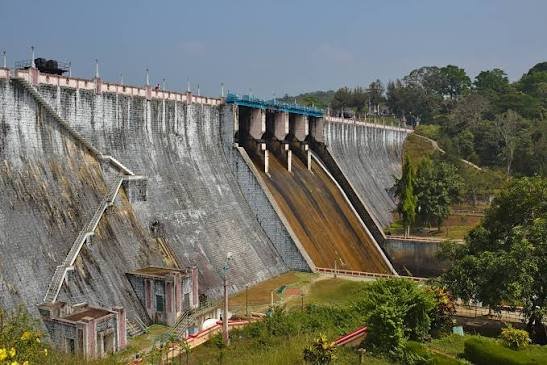
Neyyar Dam: Overview
| Parameter | Details |
| State | Kerala |
| District | Thiruvananthapuram |
| Distance from Thiruvananthapuram | Approx. 30 km |
| River | Neyyar River |
| River length | 56 km, from Agastya Mala to the Arabian Sea at Poovar |
| Dam type | Rubble masonry gravity dam |
| Height | 56 metres (184 ft) |
| Length | Approx. 294–295 metres (965–968 ft) |
| Structural volume | 105,000 cubic metres |
| Spillways | 4, capacity 809 cubic metres/second |
| Construction began | October 1956 |
| Year opened | 1958 |
| Operator | Government of Kerala |
| Reservoir surface area | 91 sq. km |
| Adjacent protected area | Neyyar Wildlife Sanctuary, part of the Agastyamala Biosphere Reserve |
| Key attractions | Lion Safari Park, Crocodile Rehabilitation and Research Centre, Deer Park |
| Nearby spiritual centre | Sivananda Yoga Vedanta Dhanwanthari Ashram |
| Recorded wildlife | Over 100 species, including elephants, tigers, leopards, slender loris |
| Best time to visit | Just after the monsoon, October to February |
The Neyyar River and a Sanctuary Within a Biosphere Reserve
Neyyar Dam sits across the Neyyar River, a 56 km waterway that originates at Agastya Mala (Agasthyarkoodam) in the Western Ghats, at an elevation of roughly 1,860 metres, before flowing down to meet the Arabian Sea near Poovar. The river’s tributaries include the Kallar and Mullayar, both contributing to the substantial flow captured by the dam’s reservoir.
The dam and its surrounding forest fall within the Neyyar Wildlife Sanctuary, itself part of the broader Agastyamala Biosphere Reserve — a significant conservation designation shared with the neighbouring Peppara and Shendurney wildlife sanctuaries. A few points about this ecological setting:
- The Agasthyakoodam hill, standing 1,890 metres, lies within the sanctuary’s premises, making this stretch of the Western Ghats one of Kerala’s most biodiverse protected zones
- The Agastyamala Biosphere Reserve is known for its concentration of rare medicinal herbs, adding genuine botanical significance alongside its wildlife value
- This positioning places Neyyar Dam at the centre of a genuinely substantial conservation landscape, rather than functioning as an isolated piece of water infrastructure
History: Land Donated by a Local Family
Neyyar Dam’s construction began in October 1956, undertaken by the Government of Kerala, with the completed dam opening in 1958. What sets its origin story apart from many other Kerala dams is the specific detail of how the land was acquired: the dam was built on land given by Karuvachi Krishnan Panicker, a well-known local agriculturist and landlord from Kallikkad, along with several of his family members.
A few historical points worth noting:
- This land-donation origin, rather than a purely government-led acquisition process, reflects a somewhat different pattern of dam-site acquisition compared to the more commonly documented compulsory land acquisition processes seen at many other Indian dam projects
- The dam’s primary purpose from the outset combined irrigation support for surrounding agricultural land with drinking water supply for the region
- Its location at the foot of the Western Ghats gave engineers access to substantial, reliable monsoon-fed water flow from the surrounding hill catchment
Engineering Specifications
Neyyar Dam is built as a rubble masonry gravity structure, standing 56 metres (184 ft) tall and stretching approximately 294 to 295 metres (965–968 ft) in length, with a total structural volume of 105,000 cubic metres.
Core specifications:
- Height: 56 metres (184 ft)
- Length: approximately 294–295 metres (965–968 ft)
- Structural volume: 105,000 cubic metres
- Spillways: 4, with a combined discharge capacity of 809 cubic metres per second
- Reservoir surface area: 91 sq. km
This scale gives Neyyar’s reservoir considerable visual presence against the backdrop of the Western Ghats’ southern low hills, contributing directly to the site’s long-standing popularity as a scenic picnic destination.
Wildlife Conservation at Neyyar: Crocodiles, Lions, and Over 100 Species
Beyond its core water-supply function, Neyyar Dam has become genuinely significant for wildlife conservation and tourism, anchored by several dedicated facilities within the surrounding sanctuary.
Key attractions include:
- Crocodile Rehabilitation and Research Centre: established in 1977 by the Kerala Forest Department, this facility houses approximately 44 mugger crocodiles, functioning as a genuine breeding and rearing programme rather than a purely display-focused attraction
- Neyyar Safari Park (Lion Safari): established in 1985, spanning roughly 40,468 sq. metres; the park has faced genuine challenges over the years, including periods without a resident male lion, though it has continued to receive new lions to sustain the programme
- Deer Park, offering visitors close wildlife viewing distinct from the more managed safari and crocodile facilities
- Additional amenities including elephant riding, a watchtower, a garden, and a small aquarium
The broader sanctuary supports a genuinely impressive range of biodiversity — over 100 recorded species, including Asian elephants, tigers, leopards, slender loris, king cobras, Travancore tortoises, gaur, sloth bears, Nilgiri tahr, jungle cats, wild boar, and Nilgiri langurs, reflecting the sanctuary’s position within one of the Western Ghats’ most ecologically significant zones.
A Spiritual Retreat Beside the Reservoir
Perhaps Neyyar’s most distinctive feature, setting it apart from virtually every other Indian dam site, is its proximity to the Sivananda Yoga Vedanta Dhanwanthari Ashram — an internationally recognised yoga and meditation centre offering structured courses and retreat programmes.
A few points about this spiritual dimension:
- The ashram draws visitors from across India and internationally, specifically for its yoga teacher training programmes and meditation retreats, giving Neyyar a genuinely global visitor profile distinct from purely regional tourist destinations
- This combination of wildlife conservation, scenic reservoir views, and serious yoga instruction gives visitors the option to combine very different kinds of experiences within a single trip
- The ashram’s presence has helped establish Neyyar as a destination appealing not just to nature tourists and families but also to visitors specifically seeking wellness and spiritual retreat experiences
A Note on the River’s Sand Mining Problem
Beyond the dam and its associated sanctuary attractions, the Neyyar River itself faces a documented environmental challenge: it has been severely affected by sand mining along its course. This ongoing pressure reflects a broader challenge common to many of Kerala’s rivers, where construction-driven demand for river sand has placed sustained strain on riverbed ecology and stability, independent of the dam’s own operational management.
Planning a Visit to Neyyar Dam
For anyone considering a trip:
- Getting there: The dam sits roughly 30 km from Thiruvananthapuram, easily accessible by road
- Best season: Visit just after the monsoon, from October through February, to see the reservoir at its fullest and most scenic
- What to see: Combine the dam and lake views with visits to the Lion Safari Park, Crocodile Rehabilitation Centre, and Deer Park, all managed as part of the same sanctuary complex
- For wellness travellers: The Sivananda Yoga Vedanta Dhanwanthari Ashram nearby offers structured yoga and meditation programmes for visitors specifically seeking a spiritual retreat alongside the natural scenery
- Activities: Boating on the reservoir, trekking, and camping are all available for visitors wanting a more active experience
FAQs
Q1. Can I visit both the wildlife attractions and the yoga ashram in the same trip to Neyyar Dam?
Yes — the Lion Safari Park, Crocodile Rehabilitation Centre, and Deer Park all sit within the same sanctuary complex near the dam, while the Sivananda Yoga Vedanta Dhanwanthari Ashram is located nearby, making it entirely possible to combine wildlife viewing with a yoga or meditation session in a single visit.
Q2. Is the Lion Safari Park at Neyyar currently home to lions, given past reports of losing its male lion?
The park has faced periods of transition in its lion population over the years, so visitors specifically hoping to see lions should check current status with the sanctuary before planning a trip, though the park has continued efforts to sustain its lion programme with new additions.
Q3. Why does the Neyyar Dam’s reservoir size vary between different sources I’ve seen online?
Different sources report varying figures for the reservoir’s surface area and capacity, likely reflecting different measurement points or reporting periods, but the dam’s structural specifications — 56 metres in height and roughly 295 metres in length — remain consistently reported.
Q4. Is boating on Neyyar Dam’s reservoir safe and family-friendly?
Boating is a permitted and popular activity on the reservoir, generally considered suitable for families, though as with any water activity, following posted safety guidelines and using the sanctuary’s designated boating facilities is recommended rather than informal arrangements.

