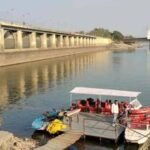
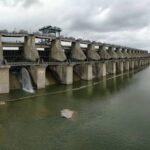
Ranchi’s water security doesn’t rest on a single dam — it depends on a working trio spread across the Subarnarekha River, and Getalsud Dam is the one carrying the heaviest industrial load. While nearby Dhurwa and Kanke dams handle drinking water alone, Getalsud generates 130 MW of power while simultaneously supplying Heavy Engineering Corporation’s massive Hatia plant, making it the most industrially significant of Ranchi’s three Subarnarekha reservoirs. Locals often call it by a different name entirely — Rukka Dam — after the village on its banks, a naming habit that sometimes confuses first-time visitors searching for it online.
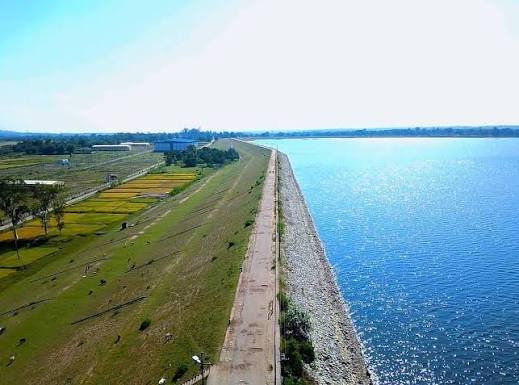
Getalsud Dam: Overview
| Parameter | Details |
| State | Jharkhand |
| District | Ranchi |
| Location | Ormanjhi block, near Rukka village |
| Also known as | Rukka Dam |
| River | Subarnarekha River |
| Dam type | Concrete gravity dam |
| Height | 35 metres (116 ft) |
| Year opened | 1971 |
| Owner/operator | Jharkhand State Electricity Board (JSEB) |
| Catchment area | 717 sq. km |
| Full reservoir level | 1,954 ft (596 m) |
| Gross storage capacity | 288.76 million cubic metres (MCM) |
| Installed power capacity | 130 MW (2 x 65 MW Francis-type turbines) |
| Water supplied to | Ranchi city (drinking water) and Heavy Engineering Corporation, Hatia (industrial) |
| Nearby waterfalls (same river) | Hundru Falls, Jonha Falls, Dassam Falls |
| Popular for | Picnicking, sunset views, small-scale fishing |
| Best time to visit | October to February |
The Subarnarekha’s Ranchi Stretch: A River of Three Dams and Three Waterfalls
The Subarnarekha River rises just a short distance from Ranchi itself, near Ratu and the Piska-Nagri area on the Chota Nagpur Plateau, at an elevation of roughly 610 metres, before flowing east across a landscape studded with dams and waterfalls that together define the region’s water and tourism identity. Getalsud Dam sits within this stretch, in Ormanjhi block, alongside the earlier-built Dhurwa Dam closer to central Ranchi and the much larger Chandil Dam further downstream near Jamshedpur — three separate structures on a single 395 km river, each built for a slightly different combination of purposes.
What makes this particular stretch of the Subarnarekha genuinely notable is how much natural drama survives alongside all this engineering:
- Hundru Falls, where the river drops roughly 98 metres off the edge of the plateau, sits within the same Ranchi district and remains one of Jharkhand’s most photographed natural sites
- Jonha Falls, also known locally as Gautamdhara, and Dassam Falls, both also fed by the Subarnarekha, round out a trio of waterfalls that make this river one of the most visited natural landscapes in the state
- This combination of functioning reservoirs and dramatic natural waterfalls on the same modest 395 km river gives the Ranchi region an unusually rich water-tourism circuit, rare for a river of this length anywhere in eastern India
- The Subarnarekha’s onward course carries it through Jharkhand, Odisha, and West Bengal before it finally reaches the Bay of Bengal near Talsari — meaning water managed here in Ranchi has consequences reaching states well beyond Jharkhand’s borders
History and Construction
Getalsud Dam became operational in 1971, built specifically to address Ranchi’s growing water needs as the city expanded rapidly through the 1960s and early 1970s alongside significant industrial development in the surrounding region. The project’s dual civilian-industrial mandate was clear from the outset: secure drinking water for a rapidly growing state capital while simultaneously supporting the industrial ambitions taking shape at Hatia, where Heavy Engineering Corporation was establishing what would become one of India’s most significant public sector manufacturing units.
A few historical points worth noting:
- The dam’s construction coincided with the broader industrial buildout happening in Ranchi during this period, a time when Jharkhand (then part of undivided Bihar) was investing heavily in heavy engineering and manufacturing capacity
- Its concrete gravity design reflects standard engineering practice for medium-to-large Indian dams built during this era, prioritising durability and structural reliability over the more elaborate curved or arch designs used at some other Indian sites
- Over the decades since, the reservoir has grown into one of the largest water bodies in Jharkhand by surface coverage, expanding well beyond its original utilitarian purpose to become a genuine regional landmark
- Unlike some Jharkhand dams built with direct foreign technical assistance during this same era, Getalsud’s development appears to have proceeded through standard state-level engineering channels, reflecting the more routine end of India’s post-independence dam-building programme
Engineering Specifications
Getalsud Dam is built as a concrete gravity structure, standing 35 metres (116 ft) tall, drawing from a catchment area of 717 sq. km — considerably larger than the catchments feeding either Dhurwa or Kanke dams elsewhere in Ranchi district, and reflecting Getalsud’s position capturing a wider stretch of the Subarnarekha’s upper basin.
Core specifications:
- Height: 35 metres (116 ft)
- Catchment area: 717 sq. km
- Full reservoir level: 1,954 ft (596 m)
- Gross storage capacity: 288.76 million cubic metres
- Dam type: concrete gravity, relying on the structure’s own mass to resist water pressure
This substantial catchment area is precisely what allows Getalsud to support both large-scale power generation and significant water supply obligations simultaneously, distinguishing it from smaller, purely drinking-water-focused dams elsewhere in the district. The scale of the reservoir this creates also explains why it has become one of the most visually prominent water bodies in the state, stretching across a considerable area of the Ormanjhi landscape.
Powering Ranchi’s Industrial Core
Getalsud Dam’s defining feature, compared to its neighbouring Ranchi-area dams, is its substantial power generation capacity. Two 65 MW Francis-type turbines give the dam a combined installed capacity of 130 MW, operated by the Jharkhand State Electricity Board — a scale of generation entirely absent at Dhurwa or Kanke.
This power generation sits alongside two other critical functions:
- Drinking water supply: Meeting a significant share of Ranchi city’s municipal water demand, working alongside Dhurwa and Kanke dams as part of the capital’s broader water security network
- Industrial water supply: Specifically envisaged from the project’s inception to serve Heavy Engineering Corporation Limited at Hatia, alongside other factories in the surrounding industrial belt
This combination of drinking water, industrial supply, and substantial power generation makes Getalsud arguably the most functionally significant of Ranchi’s three Subarnarekha dams, carrying a broader mandate than either Dhurwa, which handles drinking water only, or the smaller, more locally focused Kanke Dam, which serves a narrower municipal role without any power generation component at all.
A Popular Escape for Ranchi and Ramgarh Residents
Beyond its infrastructure role, Getalsud Dam — commonly called Rukka Dam by locals, after the nearby village on its banks — has become a well-established recreational destination for residents of both Ranchi and neighbouring Ramgarh district.
A few points about this recreational identity:
- The reservoir’s considerable size, among the largest water bodies in Jharkhand, makes for genuinely scenic sunset views that draw regular visitors throughout the cooler months
- Small-scale fishing is available to local residents of Rukka village, providing a modest livelihood alongside the dam’s larger municipal and industrial functions
- The site has increasingly been recognised for its broader tourism potential, drawing visitors who might otherwise only associate this stretch of the Subarnarekha with its famous waterfalls further along the river’s course
- Unlike more heavily commercialised dam destinations elsewhere in India, Getalsud retains a relatively low-key, unhurried character, appealing to visitors seeking a quieter alternative to Ranchi’s more crowded weekend spots
Planning a Visit to Getalsud Dam
For anyone considering a trip:
- Getting there: The dam sits in Ormanjhi block, accessible by road from central Ranchi
- Best season: October through February offers comfortable weather and typically a well-filled reservoir following the monsoon
- Combine with nearby waterfalls: Given the shared river system, visitors can pair a Getalsud Dam visit with Hundru, Jonha, or Dassam Falls for a fuller day exploring the Subarnarekha’s course through Ranchi district
- What to expect: A relatively quiet, scenic reservoir setting suited to sunset viewing and casual sightseeing rather than extensive tourist infrastructure
- Local terminology: Since the dam is widely known locally as Rukka Dam, using either name when asking directions or searching for the site should work equally well
FAQs
Q1. Why does Getalsud Dam generate so much more power than other Ranchi-area dams like Dhurwa?
Getalsud was specifically designed with a substantial catchment area and dedicated turbine infrastructure to support Heavy Engineering Corporation’s industrial power needs at Hatia, whereas dams like Dhurwa were built primarily for drinking water supply without significant power generation capacity built into their original design.
Q2. Is Getalsud Dam the same place as “Rukka Dam” mentioned in some Ranchi travel guides?
Yes — Rukka Dam is simply the locally used name for Getalsud Dam, derived from the nearby village of Rukka, and both names refer to the identical structure and reservoir, so either term will lead you to the same location.
Q3. Can visitors combine a trip to Getalsud Dam with Ranchi’s famous waterfalls in a single day?
Yes — since Hundru, Jonha, and Dassam Falls are all fed by the same Subarnarekha River within Ranchi district, many visitors combine a dam visit with one or more of these waterfalls as part of a broader day trip exploring the river’s course through the region.
Q4. Is fishing at Getalsud Dam open to visitors, or only local residents?
Small-scale fishing is specifically available to local residents of Rukka village, so visitors interested in fishing should check current local regulations rather than assuming open access to this activity as a general tourist offering.