Water released from Kakkayam Dam doesn’t simply flow downstream and disappear — it powers a 225 MW hydroelectric station, then gets diverted through two more small power plants, and only after all that generates yet another dam’s worth of irrigation benefit before finally rejoining the river’s natural course. Few Indian dams put a single reservoir’s water to work quite this many times before letting it go, and fewer still manage to remain, as locals describe it, “still untouched by tourist crowds” despite sitting inside one of Kerala’s most scenic wildlife sanctuaries.
Kakkayam Dam: Overview
| Parameter | Details |
| State | Kerala |
| District | Kozhikode |
| Location | Koorachundu |
| Distance from Kozhikode town | Approx. 45–51 km |
| River | Kuttiyadi River, above Orakuzhy Falls |
| Elevation | Approx. 750 metres (2,460 ft) above sea level |
| Dam type | Masonry straight gravity dam |
| Height | 39.6 metres above deepest foundation (7th tallest dam in Kerala) |
| Length | 228.6 metres at top |
| Top width | 5.18 metres |
| Storage capacity | 34 million tonnes |
| Adjacent protected area | Malabar Wildlife Sanctuary (7,421 hectares) |
| Notable wildlife | Elephants and gaur (Indian bison) |
| Part of | Kuttiyadi Hydro Electric Project |
| Main power station capacity | 225 MW, at Kuttiyadi Main Power House |
| Additional stations fed by same water | Kuttiyadi Tail Race (3.75 MW) and Kakkayam Small Hydro Electric Project (3 MW) |
| Downstream irrigation benefit | Peruvannamoozhi Irrigation Project |
| Popular activities | Trekking, rock climbing, boating, picnicking, wildlife watching |
| Best time to visit | October to February |
The Kuttiyadi River and a Water Journey That Doesn’t End at One Dam
Kakkayam Dam sits across the Kuttiyadi River at an elevation of roughly 750 metres, positioned just above the scenic Orakuzhy Falls in the outskirts of the Western Ghats. What makes this location genuinely significant is what happens to the water after it leaves the dam — rather than simply flowing downstream, it embarks on a carefully engineered multi-stage journey through several separate hydroelectric facilities before finally supporting irrigation far downstream.
A few points about this river system:
- The Kuttiyadi River’s course through this stretch of the Western Ghats has been extensively engineered to maximise both power generation and irrigation benefit from every drop of water passing through
- Kakkayam sits relatively high in this system, meaning the water it releases still has substantial elevation to descend before reaching the plains — precisely the condition needed for efficient hydroelectric generation
- The dam’s position above Orakuzhy Falls places it within one of the more scenic and remote stretches of the Kuttiyadi’s course through Kozhikode district
Engineering Specifications
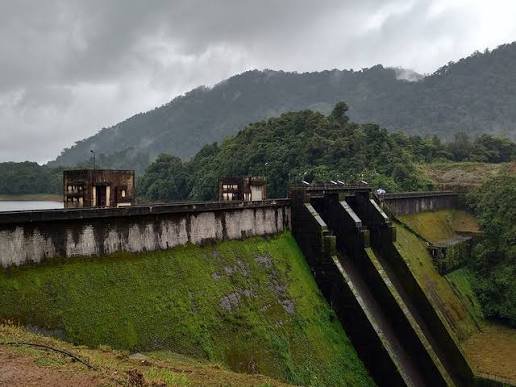
Kakkayam Dam is built as a masonry straight gravity dam, standing 39.6 metres tall above its deepest foundation — a height that ranks it seventh among Kerala’s dams by this measure. It stretches 228.6 metres at the top, with a top width of 5.18 metres, and holds a storage capacity of 34 million tonnes.
Core specifications:
- Height: 39.6 metres above deepest foundation
- Length: 228.6 metres at the top
- Top width: 5.18 metres
- Storage capacity: 34 million tonnes
- Elevation: approximately 750 metres above sea level
This relatively compact structure, built using straightforward masonry gravity construction, was designed specifically to create the head of water needed to drive the substantial hydroelectric infrastructure positioned downstream.
How One Dam’s Water Powers Three Separate Stations
The defining feature of Kakkayam Dam’s design is how thoroughly its water gets reused before completing its journey to the sea. The sequence works as follows:
- Water from the reservoir enters a penstock that runs down from the dam site through a series of tunnels and hills
- It reaches the Kuttiyadi Main Power House at Kakkayam, generating the bulk of the system’s power at an installed capacity of 225 MW
- Water exiting this main power house is then diverted to two additional, smaller facilities: the Kuttiyadi Tail Race power house (3.75 MW) and the Kakkayam Small Hydro Electric Project (3 MW)
- Only after passing through all three generation points does the tailwater rejoin the river’s natural course
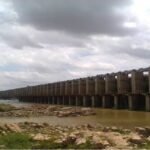
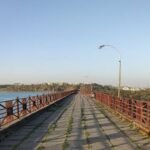
- This water is then utilised for the Peruvannamoozhi Irrigation Project, a separate downstream dam (also known as the Kuttiyadi Dam) completed in 1973, which serves a gross command area of 36,000 hectares and supplies approximately 71.54 million cubic metres of water annually for irrigation and water supply
This layered reuse of a single water source across four separate infrastructure points — one storage dam, three power stations, and one irrigation-focused downstream dam — represents a genuinely efficient approach to maximising the value extracted from Kakkayam’s reservoir before the water is finally released into the broader river system.
Connected to Wayanad: The Kuttiyadi Augmentation Link
Kakkayam’s water security is further reinforced by a connection to an entirely separate river basin in neighbouring Wayanad district. The Kuttiyadi Augmentation Scheme — the same project responsible for the Banasura Sagar Dam and its associated saddle dams — is specifically designed to divert additional water from the Wayanad plateau’s Karamanthodu River system into the Kakkayam reservoir.
A few points about this interbasin connection:
- Water released from the Kuttiyadi saddle dam and other components of the augmentation scheme flows specifically toward the Kakkayam reservoir, supplementing what the Kuttiyadi River’s own catchment provides
- This arrangement means Kakkayam’s water availability depends not just on local Kozhikode district rainfall but also on conditions across the Wayanad plateau, tying two geographically distinct catchments into a single coordinated hydroelectric system
- This kind of interbasin water transfer, engineered specifically to maximise hydroelectric output, reflects sophisticated mid-to-late-20th-century Kerala water infrastructure planning
Wildlife, Trekking, and Rock Climbing in the Malabar Sanctuary
Kakkayam’s reservoir sits on the outskirts of the Malabar Wildlife Sanctuary, a 7,421-hectare protected area home to elephants and gaur, among other Western Ghats wildlife. This positioning has made the dam a genuine outdoor adventure destination, distinct from the more developed, tourism-heavy dam sites found elsewhere in Kerala.
Popular activities include:
- Trekking: Trails through the surrounding evergreen forest and grasslands draw hikers seeking genuinely scenic, less-crowded routes
- Rock climbing: Kariyathan Para, a notable rock formation near the dam, has become a recognised rock-climbing destination
- Boating: Available on the reservoir for visitors wanting a calmer activity
- Wildlife watching: Given the sanctuary’s elephant and gaur population, visitors interested in wildlife can combine a dam visit with broader sanctuary exploration
- Picnicking: The scenic valley and forest surroundings make for a pleasant day-trip destination
Visitor accounts consistently describe Kakkayam as remaining largely undiscovered relative to Kerala’s more heavily promoted tourist circuit, with a modest entry fee (historically cited around Rs 10–20) reflecting its status as a functional dam site rather than a fully commercialised tourist attraction.
Planning a Visit to Kakkayam Dam
For anyone considering a trip:
- Getting there: The dam sits near Koorachundu, roughly 45–51 km from Kozhikode town, accessible by road
- Best season: October through February offers the most comfortable weather for trekking and rock climbing, though monsoon season brings dramatically fuller water levels and lush greenery
- What to expect: Given its remote, less-commercialised character, visitors should expect fewer developed facilities compared to Kerala’s more popular dam destinations, with the primary draw being genuine natural scenery and outdoor activity
- Combine with the broader region: Visitors interested in the full scope of the Kuttiyadi Hydro Electric Project may also want to explore the downstream Peruvannamoozhi Dam and irrigation project
FAQs
Q1. Why does Kakkayam Dam’s water pass through three different power stations instead of just one?
This layered design maximises power generation by capturing energy at the main Kuttiyadi Power House first, then extracting additional value from the same water as it continues through the smaller Tail Race and Kakkayam Small Hydro stations before finally being released for irrigation use.
Q2. Is Kakkayam Dam connected to the Banasura Sagar Dam in Wayanad?
Yes, indirectly — the Kuttiyadi Augmentation Scheme, which includes Banasura Sagar and its saddle dams, is designed to divert additional water from the Wayanad plateau into the Kakkayam reservoir, supplementing its own local catchment.
Q3. Is Kakkayam Dam a good destination for rock climbing beginners, or only experienced climbers?
Kariyathan Para, the notable rock-climbing spot near the dam, draws climbers of varying experience levels, though visitors new to the activity should go with an experienced guide or group rather than attempting routes independently.
Q4. How does Kakkayam Dam’s water eventually benefit farmers, given that it’s primarily used for power generation?
After passing through all three hydroelectric stations, the tailwater rejoins the river and flows toward the downstream Peruvannamoozhi Irrigation Project, which uses this same water to irrigate a substantial command area across the region.