Every monsoon weekend, thousands of Puneites drive out to Panshet Dam for boating, water sports, and picnics beside a reservoir locals simply call a scenic escape from the city. Few pause to consider that this same dam, in its very first year of holding water, broke apart so violently on 12 July 1961 that it sent a wall of water into Pune city and claimed roughly a thousand lives — one of independent India’s most serious dam disasters, now all but forgotten by the crowds who visit it today.
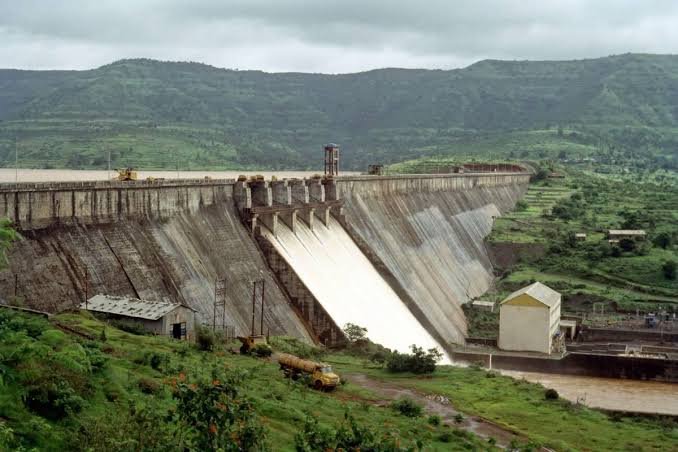
Panshet Dam: Overview
| Parameter | Details |
| State | Maharashtra |
| District | Pune |
| Taluka | Velhe |
| Distance from Pune city | Approx. 50 km southwest |
| Distance from Mumbai | Approx. 180 km |
| Official name | Panshet Dam (also called Tanajisagar Dam) |
| River | Ambi River, a tributary of the Mutha River |
| Dam type | Earthfill gravity dam |
| Height | 63.56 metres (208.5 ft) |
| Length | 1,039 metres (3,409 ft) |
| Dam volume | 4.190 cubic km |
| Original construction | Late 1950s |
| Year of catastrophic failure | 12 July 1961 |
| Rebuilt and reopened | 1972 |
| Estimated construction cost | Rs 200 crore |
| Owner/operator | Government of Maharashtra |
| Part of a system with | Varasgaon, Temghar, and Khadakwasla dams |
| Primary purpose | Drinking water supply to Pune and irrigation |
| Reservoir name | Tanajisagar |
| Estimated deaths in 1961 disaster | Approx. 1,000 |
| Current status | Operational reservoir and popular weekend tourist destination |
| Best time to visit | October to February |
The Ambi River and Pune’s Four-Dam Water Lifeline
Panshet Dam sits on the Ambi River, a modest Western Ghats stream that eventually joins the Mose River to form the Mutha River, which flows through Pune city itself before merging with the Mula River. This positioning makes the Ambi one of the most consequential small rivers in Maharashtra, precisely because of what’s been built along its course.
Panshet doesn’t work alone. It’s part of a coordinated four-dam system that supplies Pune’s drinking water and irrigation needs:
- Panshet Dam, on the Ambi River
- Varasgaon Dam, on the Mose River
- Temghar Dam, further along the same river system
- Khadakwasla Dam, downstream on the Mutha River, formed at the point where waters from all three upstream dams converge
Understanding this chain matters because what happens at Panshet doesn’t stay contained to Panshet — a lesson Pune learned in the most painful way possible in 1961.
The Day Panshet Dam Broke
Panshet Dam was completed in the late 1950s, and 1961 marked its very first monsoon season storing water at scale. On 12 July that year, the dam wall gave way catastrophically. The root cause, established in later investigations, was a critical construction shortcut: the conduit passing through the earthen dam structure lacked the reinforced cement concrete (RCC) that engineering standards required. Due to a steel shortage at the time, plain, unreinforced concrete blocks had been used instead — a compromise that proved fatal once the reservoir filled under monsoon pressure.
The failure set off a chain reaction that devastated Pune:
- The sudden release of Panshet’s stored water surged downstream toward Khadakwasla Dam
- Khadakwasla, never designed to handle three times its intended peak inflow, was overwhelmed and collapsed under the sheer force of water arriving from upstream — a point often misremembered locally as the dam being deliberately “blown up,” when in fact it simply gave way under impossible pressure
- The combined floodwaters swept into Pune city itself, causing widespread destruction
- An estimated 1,000 people lost their lives in the disaster, with extensive damage to homes and infrastructure across the city
This remains one of the most significant dam-related disasters in India’s post-independence history, and it fundamentally reshaped how Maharashtra approached dam construction standards in the decades that followed.
Rebuilding: How the Dam Came Back Stronger
Following the 1961 disaster, both Panshet and Khadakwasla dams underwent extensive reconstruction, this time with proper engineering safeguards addressing the exact failures that had caused the earlier collapse. The rebuilt Panshet Dam was formally completed and reopened in 1972, over a decade after the original structure had failed.
A few points about this rebuilding effort worth noting:
- The reconstruction directly addressed the RCC deficiency that caused the original failure, incorporating proper reinforcement standards this time
- The broader four-dam system serving Pune was reviewed and strengthened as part of the same post-disaster response
- The dam has operated without incident since its 1972 reconstruction, now standing as a well-established piece of Pune’s water infrastructure for over five decades
This history is a useful reminder that some of India’s most reliable-seeming infrastructure carries scars from genuine engineering failures — failures that shaped stricter standards still in use today.
Engineering Specifications Today
The rebuilt Panshet Dam is classified as an earthfill gravity dam, standing 63.56 metres tall and stretching 1,039 metres across the Ambi valley. Its total dam volume comes to approximately 4.190 cubic kilometres, reflecting the substantial earthen mass involved in constructing a structure of this height.
Key specifications:
- Height: 63.56 metres (208.5 ft)
- Length: 1,039 metres (3,409 ft)
- Dam volume: 4.190 cubic km
- Construction cost of the rebuilt structure: an estimated Rs 200 crore
These figures place Panshet as a moderately sized dam by Maharashtra standards, but its role within Pune’s broader water supply chain gives it outsized importance relative to its physical scale.
What the Dam Supplies Today
Panshet’s reservoir, known as Tanajisagar, continues to serve the same core functions it was originally built for:
- Drinking water supply for Pune city and surrounding areas, working in coordination with Varasgaon, Temghar, and Khadakwasla dams
- Irrigation for agricultural land in the surrounding Velhe taluka and broader Pune district
- Water storage buffering that helps manage seasonal variability in the Ambi and Mutha river systems
Because Pune’s water security depends on all four dams operating together, water release decisions at Panshet are closely coordinated with the other three reservoirs — a level of interdependency that traces directly back to the lessons learned in 1961.
A Weekend Getaway Built Over Tragedy
Perhaps the most striking thing about Panshet Dam today is how completely its identity has shifted for most visitors. The reservoir and surrounding hills have become one of Pune’s most popular weekend destinations, particularly during and after the monsoon when the dam is at its most scenic.
Common activities and draws for visitors include:
- Water sports, including boating and, at certain times, jet-skiing on the reservoir
- Scenic drives through the Western Ghats terrain leading up to the dam site
- Picnic spots along the reservoir’s edge, popular with families and groups from Pune
- Photography opportunities, especially when the dam is releasing water or when monsoon greenery is at its peak around the surrounding hills
For most visitors, the dam’s tragic 1961 history is entirely unknown — a gap this kind of background context is worth filling in for anyone planning a visit, if only to appreciate how much engineering scrutiny stands behind the calm reservoir they’re picnicking beside.
Planning a Visit to Panshet Dam
A few practical points for anyone considering a trip:
- Getting there: The dam is roughly 50 km southwest of Pune city, generally under two hours by road depending on traffic and route through Velhe taluka
- Best season: Post-monsoon months from October through February offer the most reliable weather and a well-filled reservoir, though monsoon-season visits (July–September) offer their own dramatic scenery when the dam is actively releasing water
- Combine with nearby attractions: Sinhagad Fort and other Pune-area hill destinations are often paired with a Panshet visit for a fuller day trip
- Water sports timing: Boating and water sports facilities typically operate seasonally, so it’s worth checking current availability before planning a visit specifically for these activities
FAQs
Q1. Is Panshet Dam safe to visit given its history of failure in 1961?
Yes — the dam was completely rebuilt with proper reinforced concrete engineering after the 1961 failure and reopened in 1972, and it has operated safely for over five decades since, with modern safety standards addressing the specific flaw that caused the original disaster.
Q2. Why did the Panshet Dam fail so soon after it was originally built?
The failure resulted from a construction shortcut — plain, unreinforced concrete was used in the conduit passing through the dam instead of mandatory reinforced cement concrete, due to a steel shortage at the time, and this weakness gave way under monsoon water pressure.
Q3. Is Panshet Dam connected to the other Pune-area dams, or does it operate independently?
It operates as part of a coordinated four-dam system alongside Varasgaon, Temghar, and Khadakwasla dams, all of which jointly manage Pune’s drinking water and irrigation supply, meaning water release decisions at Panshet are made in coordination with the other three.
Q4. What’s the best time to visit for water sports versus scenic views?
Post-monsoon months from October to February generally offer the best combination of pleasant weather and available water sports facilities, while visiting during the monsoon itself (July to September) offers more dramatic scenery when the dam is releasing water, though water sports availability may be more limited during peak monsoon.