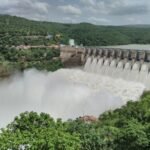
Just 16 km from Chandigarh sits a small dam that doubles as a protected community reserve, where wildlife comes to drink from the same reservoir that irrigates nearby farmland — and where visitors can end their trip with bush dining at a restaurant built right on the water’s edge. Getting into Siswan Dam isn’t as simple as showing up, either: entry requires permission from a local guard, a genuine rarity for a dam this close to a major Indian city.
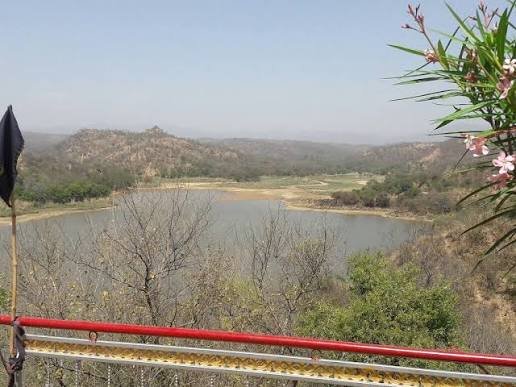
Siswan Dam: Overview
| Parameter | Details |
| State | Punjab |
| District | SAS Nagar (Mohali) |
| Location | Siswan village, near Mullanpur |
| Distance from Chandigarh | Approx. 16 km, on the Chandigarh-Baddi road |
| River | Siswan River, a tributary of the Ghaggar River |
| Height | Approx. 24–25 metres |
| Length | Approx. 350 metres |
| Reservoir storage capacity | Up to 8.5 million cubic metres |
| Reservoir spread area | Approx. 2 sq. km |
| Main dam construction completed | 1981 |
| Full field water distribution system completed | 1998 |
| Built by | Punjab Irrigation Department, with assistance from the Central Water Commission and the World Bank |
| Construction cost | Approx. Rs 12 crore |
| Irrigation coverage | Approx. 950 hectares |
| Managed protected area | Siswan Community Reserve, Punjab Forest Department |
| Access | Restricted — permission required from local guard |
| Notable nearby amenity | “Prey,” a bush dining restaurant on the reservoir’s banks |
| Best time to visit | October to February |
The Siswan River and Ghaggar Basin Connection
Siswan Dam is built across the Siswan River, a modest stream originating in the Shivalik foothills and functioning as a tributary of the larger Ghaggar River. This positions the dam within a river system distinct from Punjab’s more commonly discussed major rivers, reflecting the smaller-scale, locally significant water infrastructure common across the Shivalik-adjacent stretch of Punjab bordering Haryana and Himachal Pradesh.
A few points about this setting:
- The dam captures monsoon-fed streams descending from the Shivalik hills, giving it a genuinely seasonal flow pattern typical of foothill catchments in this region
- Its position on the Chandigarh-Baddi road places it within a compact, well-connected stretch of the tri-city (Chandigarh-Mohali-Panchkula) region’s immediate hinterland
- Being a tributary of the Ghaggar rather than a major independent river reflects the dam’s status as a locally significant, rather than regionally dominant, piece of water infrastructure
History: Built with World Bank Assistance, Completed in Stages
Siswan Dam’s construction began in the late 1970s, undertaken by the Punjab Irrigation Department with technical and financial assistance from both the Central Water Commission and the World Bank — a genuinely notable funding combination for a dam of this relatively modest scale.
A few historical points worth noting:
- The main dam structure was completed in 1981, at a total project cost of approximately Rs 12 crore
- The full field water distribution system needed to actually deliver the reservoir’s water to surrounding agricultural land wasn’t completed until 1998, reflecting a common pattern where a dam’s core structure and its complete irrigation delivery network can be finished many years apart
- This phased development — main dam in 1981, full distribution system by 1998 — spans nearly two decades from initial construction to complete functional irrigation delivery
What’s Known About the Engineering
Siswan Dam stands approximately 24 to 25 metres tall (sources report slightly different figures) and stretches roughly 350 metres in length, with a storage capacity of up to 8.5 million cubic metres spread across a reservoir area of approximately 2 sq. km.
Core specifications:
- Height: approximately 24–25 metres
- Length: approximately 350 metres
- Storage capacity: up to 8.5 million cubic metres
- Reservoir area: approximately 2 sq. km
This modest scale reflects Siswan’s role as a locally focused irrigation and drinking water project rather than a major regional multipurpose dam, consistent with its relatively small construction budget and localised command area.
More Than a Dam: The Siswan Community Reserve
What genuinely distinguishes Siswan Dam from most similarly sized Indian irrigation projects is its formal integration into a managed conservation area — the Siswan Community Reserve, overseen by the Punjab Forest Department. The reserve encompasses forest land in close proximity to several urban centres, including Chandigarh, Mohali, Panchkula, Kharar, Ropar, Pinjore, and Kalka, with nearby villages including Mullanpur, Majra, and Mirzapur falling within its vicinity.
A few points about this dual role:
- The reservoir serves not just irrigation and drinking water needs for nearby villages but also functions as a water source for wildlife inhabiting the surrounding forest reserve
- This combination of functional water infrastructure and formal wildlife conservation designation is relatively uncommon among Punjab’s smaller dams, giving Siswan a genuinely distinctive ecological identity
- The reserve’s proximity to a cluster of major urban centres makes it a rare pocket of protected, semi-wild habitat within an otherwise rapidly urbanising tri-city region
A Restricted Getaway With a Distinctive Dining Experience
Unlike most Indian dams that offer open public access, Siswan Dam requires visitors to obtain permission from a local guard before entering the dam area itself — a notable access restriction for a site so close to major cities. This controlled access likely reflects the site’s dual function as both operational water infrastructure and a managed wildlife reserve.
For visitors who do gain access, or who explore the surrounding area, a few draws stand out:
- Prey, a bush dining restaurant located directly on the banks of the dam, offers a genuinely unique dining experience distinct from typical Indian dam-adjacent tourism, combining scenic reservoir views with an outdoor culinary concept
- A nearby temple offers basic visitor facilities, including drinking water and toilets, for those exploring the broader area
- The stretch from Siswan village toward Baddi offers a scenic nature drive, popular among cyclists and motorbike riders looking for a quiet, forested route away from city traffic
Planning a Visit to Siswan Dam
For anyone considering a trip:
- Getting there: The dam sits roughly 16 km from Chandigarh, directly on the Chandigarh-Baddi road, making it an easy short trip from the tri-city area
- Best season: October through February offers comfortable weather for outdoor exploration and biking in the surrounding hills
- Access planning: Since entry to the dam area itself is restricted, checking in advance with the local guard or relevant forest department office is advisable before planning a visit specifically to see the reservoir up close
- Combine with a nature drive: The route from Siswan village toward Baddi offers a scenic addition to the trip, well suited to cycling or a leisurely motorbike ride
- Dining plans: If visiting specifically for the bush dining experience at Prey, checking current hours and reservation requirements in advance is worthwhile
FAQs
Q1. Why do I need permission to enter Siswan Dam when it’s so close to Chandigarh?
The dam’s integration into the managed Siswan Community Reserve, overseen by the Punjab Forest Department, means access is controlled to help protect both the functional water infrastructure and the surrounding wildlife habitat, requiring visitors to obtain permission from a local guard before entering.
Q2. Why does Siswan Dam have two different completion dates — 1981 and 1998?
This reflects two distinct project milestones: the main dam structure itself was completed in 1981, while the full field water distribution system needed to deliver the reservoir’s water for irrigation wasn’t finished until 1998, a common pattern for phased Indian irrigation projects.
Q3. Is the bush dining restaurant at Siswan Dam open to visitors without needing dam access permission?
This likely depends on the restaurant’s specific location relative to the restricted dam area, so confirming current access arrangements directly with the restaurant or checking recent visitor reviews before planning a trip specifically for this dining experience is advisable.
Q4. Is Siswan Dam a good destination for a quick nature escape without a long drive from Chandigarh?
Yes — at roughly 16 km from Chandigarh along the Chandigarh-Baddi road, it offers a genuinely convenient short trip for those seeking forest scenery, wildlife habitat, and a quieter alternative to more crowded tri-city attractions, provided visitors plan around the site’s restricted access.